It was a bookseller, Marie Moser from the Edinburgh Bookshop in the Bruntsfield area in Edinburgh, who first gave me a serious lesson in the importance of book covers. Marie’s background, she once told me, is really in marketing and retail rather than in publishing, so her interest is in selling books. That mights sound rather obvious for a bookseller, but what it means is that she wants books in her shop that will clear the shelves and won’t hang around.
Assuming the buyer hasn’t come in to buy or order a specific book, bookshops can be a bit of a jungle. Your book has to get noticed by a potential customer, and it’s got a big advantage if it’s been given a special place on a table instore. If you stand and watch in any bookshop, you’ll see the same little routine happening all around you: the customer browses, is drawn to the front cover of a book, then immediately turns over to read the blurb on the back to see what the book’s about. All the time, Marie pointed out, the customer is subliminally feeling the book’s surface, too; the author has to feel that the book will sit well in the hand. Finally, only at the end, the customer will flick through the book randomly to see if the font looks nice, the paper feels nice, to see if the print is large enough, and to see if the book is the right length. If you, the author, are a new, unfamiliar writer, the potential customer will be more likely to take a chance on your book if it isn’t too long.
If the customer puts the book back at any stage, you’ve lost them. End of story.
So the front cover must be good. However, so too must the spine, because most books sit upright, end-on on a shelf, especially if they’re not on special promotion. If your book is in the general bookshelves standing upright, spine-outwards, the customer will only choose your book either if (a) they’re actually looking for it, or (b) they’re browsing generally and looking for something – anything – different, perhaps as a present for a friend, even for themselves.
If you’re an unknown author, your name is never going to be a draw. That means for the great majority of struggling writers it’s the title that counts – it’s got to catch the eye, be a bit different, if possible look a bit different. Once you’ve made it, your name becomes the draw, and the author’s name becomes the bigger thing on the cover; the latest title by Kate Atkinson or Ian Rankin, that sort of thing. But until you’re a superstar, learn your place in the scheme of things, I’m afraid.
Here at Comely Bank Publishing we do create some covers (and we’re not bad) but most writers come to us with some pre-conceived idea of what their book should look like on the outside – and why not? If that happens, though, it’s usually better if the author works with an independent professional cover designer who might well have specialist skills and experience to make the author’s dreams come true. I’d recommend that you listen to any professional designers: they know what works and what doesn’t, and there’s little point in paying someone for advice then not heeding it.
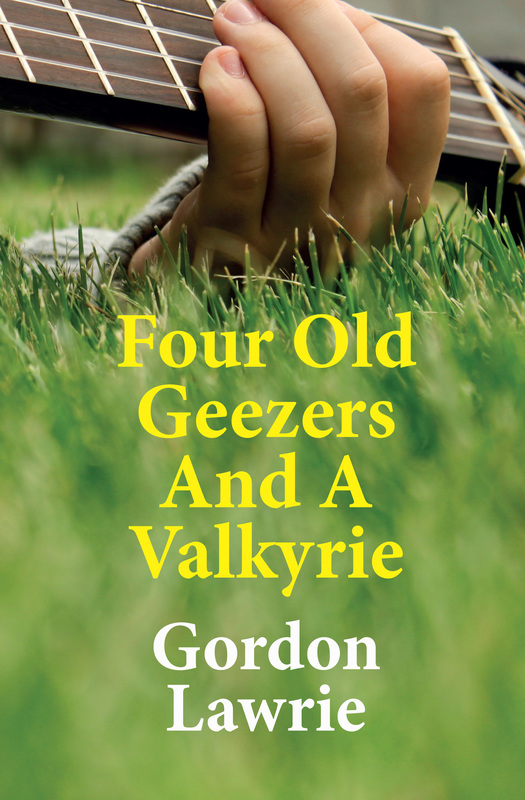
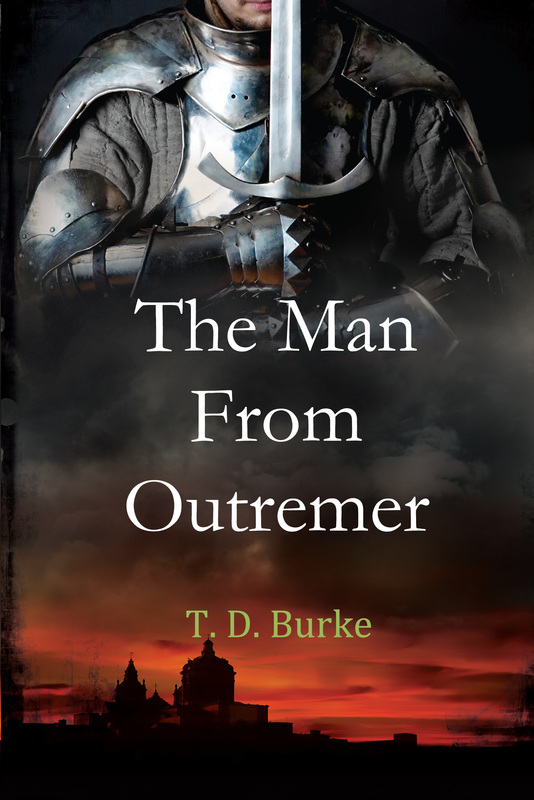
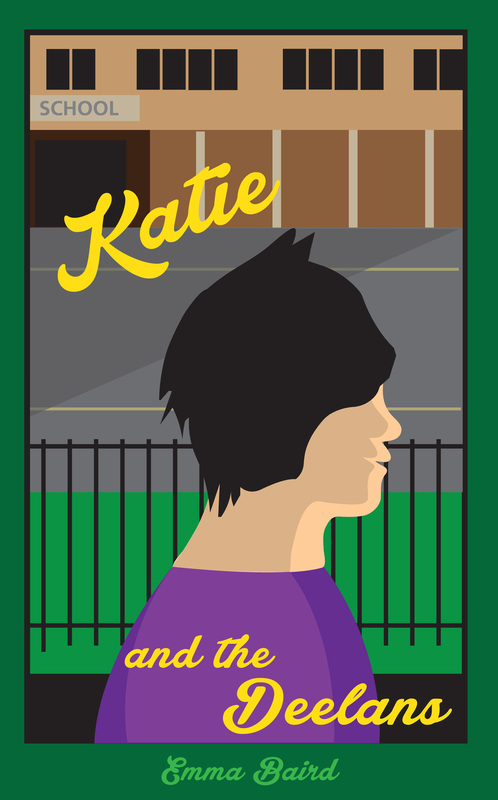
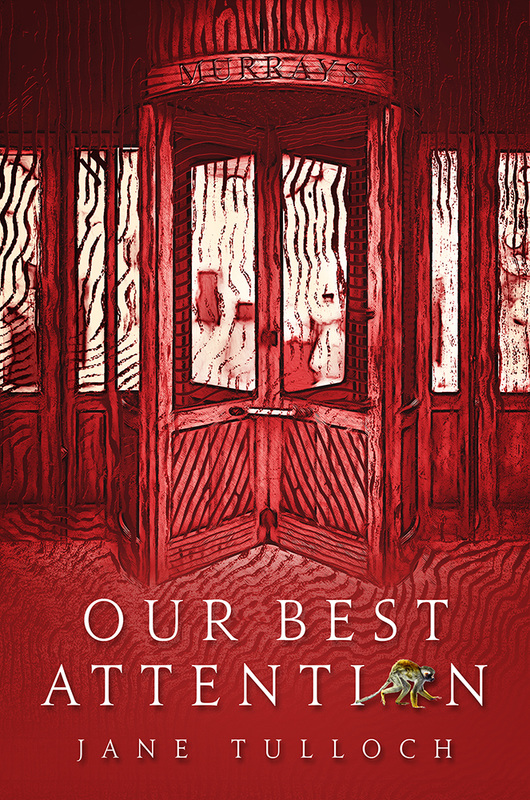
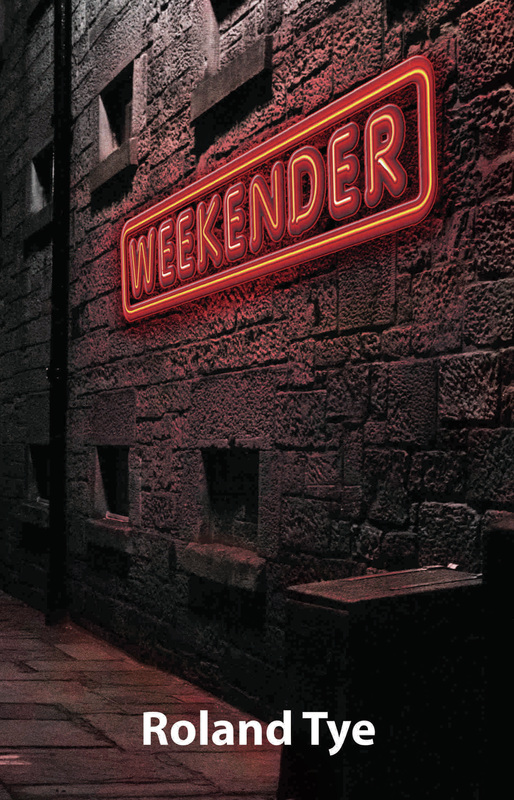
In the meantime, here are the covers of some of Comely Bank Publishing’s current titles, plus a sneak preview of a forthcoming publication, Roland Tye’s Weekender. Judge for yourself which works best. There's no right answer, by the way.
Assuming the buyer hasn’t come in to buy or order a specific book, bookshops can be a bit of a jungle. Your book has to get noticed by a potential customer, and it’s got a big advantage if it’s been given a special place on a table instore. If you stand and watch in any bookshop, you’ll see the same little routine happening all around you: the customer browses, is drawn to the front cover of a book, then immediately turns over to read the blurb on the back to see what the book’s about. All the time, Marie pointed out, the customer is subliminally feeling the book’s surface, too; the author has to feel that the book will sit well in the hand. Finally, only at the end, the customer will flick through the book randomly to see if the font looks nice, the paper feels nice, to see if the print is large enough, and to see if the book is the right length. If you, the author, are a new, unfamiliar writer, the potential customer will be more likely to take a chance on your book if it isn’t too long.
If the customer puts the book back at any stage, you’ve lost them. End of story.
So the front cover must be good. However, so too must the spine, because most books sit upright, end-on on a shelf, especially if they’re not on special promotion. If your book is in the general bookshelves standing upright, spine-outwards, the customer will only choose your book either if (a) they’re actually looking for it, or (b) they’re browsing generally and looking for something – anything – different, perhaps as a present for a friend, even for themselves.
If you’re an unknown author, your name is never going to be a draw. That means for the great majority of struggling writers it’s the title that counts – it’s got to catch the eye, be a bit different, if possible look a bit different. Once you’ve made it, your name becomes the draw, and the author’s name becomes the bigger thing on the cover; the latest title by Kate Atkinson or Ian Rankin, that sort of thing. But until you’re a superstar, learn your place in the scheme of things, I’m afraid.
Here at Comely Bank Publishing we do create some covers (and we’re not bad) but most writers come to us with some pre-conceived idea of what their book should look like on the outside – and why not? If that happens, though, it’s usually better if the author works with an independent professional cover designer who might well have specialist skills and experience to make the author’s dreams come true. I’d recommend that you listen to any professional designers: they know what works and what doesn’t, and there’s little point in paying someone for advice then not heeding it.
In the meantime, here are the covers of some of Comely Bank Publishing’s current titles, plus a sneak preview of a forthcoming publication, Roland Tye’s Weekender. Judge for yourself which works best. There's no right answer, by the way.
 |  |  |  |  |
 RSS Feed
