  |  |
The other day a fellow writer got in touch with me. She'd written a story faintly referencing a well-known burger chain. Then, anxious to ensure she was allowed to quote the brand name in her story, she decided to contact the burger chain's customer services department to be sure.
The burger chain (allegedly – you'll understand that I can only quote her version) instead said she could be sued for using their brand name, and demanded to know her name and contact details. Perhaps they threatened to pull her fingernails out and shoot her dog, too, but I've no information on that. Whatever happened, the writer was sufficiently concerned to contact me to ask what to do.
I suggested a slight edit, but I honestly don't think it was necessary.
I've noticed that North Americans sometimes get a little confused about copyright and trademarks. The author of a work of art – including paintings, sculpture, music, photographs as well as literature – can claim copyright and that he or she wrote it. To claim copyright, all that writer needs to be able to do is to demonstrate that they wrote it first. After that, no one else can reproduce it without the author's permission. However its title can be referred to, and the work can be quoted for the purposes of critical analysis and education research – so long as it's made quite clear who wrote the original.
A trademark, on the other hand, is a brand. It can be an everyday word or picture, but even a trademark needs to be able to claim it's unique. Trademarks are registered, mainly to make it easier for big corporations to hunt down other firms who try to steal the brand. Big firms pay agencies to manage their trademarks, and also to frighten innocent callers.
That's why a recent case – where a romantic fiction author managed to trademark the word 'cocky' for the titles of her books – is nonsense. US judges aren't doing so well at the moment, but this was a particularly bizarre ruling: allowing a long-established word in the English language to be for the exclusive use of one individual is utterly perverse. Someone will sort that.
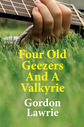
There are two areas where writers need to be incredibly careful about copyright. The first concerns quoting music lyrics. When I was writing my first novel Four Old Geezers and a Valkyrie, I wanted to have the central character singing some rock classics while bashing an old guitar. Once I discovered the cost, I changed my mind. Quoting one line – just one line, mind you, of the Beatles' song When I'm Sixty-Four costs over $1,000. I changed the story. Note, though, that I can mention the title of the song quite freely.
It's also important not to steal images from image stock firms such as Shutterstock, Dreamtime, Adobe and – especially – Getty. These firms can use clever software to trace copies of their work online, so that your ebook cover, say, will be spotted if parts of it match with an image in their library. And they go for the jugular. For £7.00, say, just accept that it'll cost a little to stay onside with the publisher.
When you're dealing with the Beatles or Getty, it pays to take care of your fingernails and your dog.
Gordon Lawrie